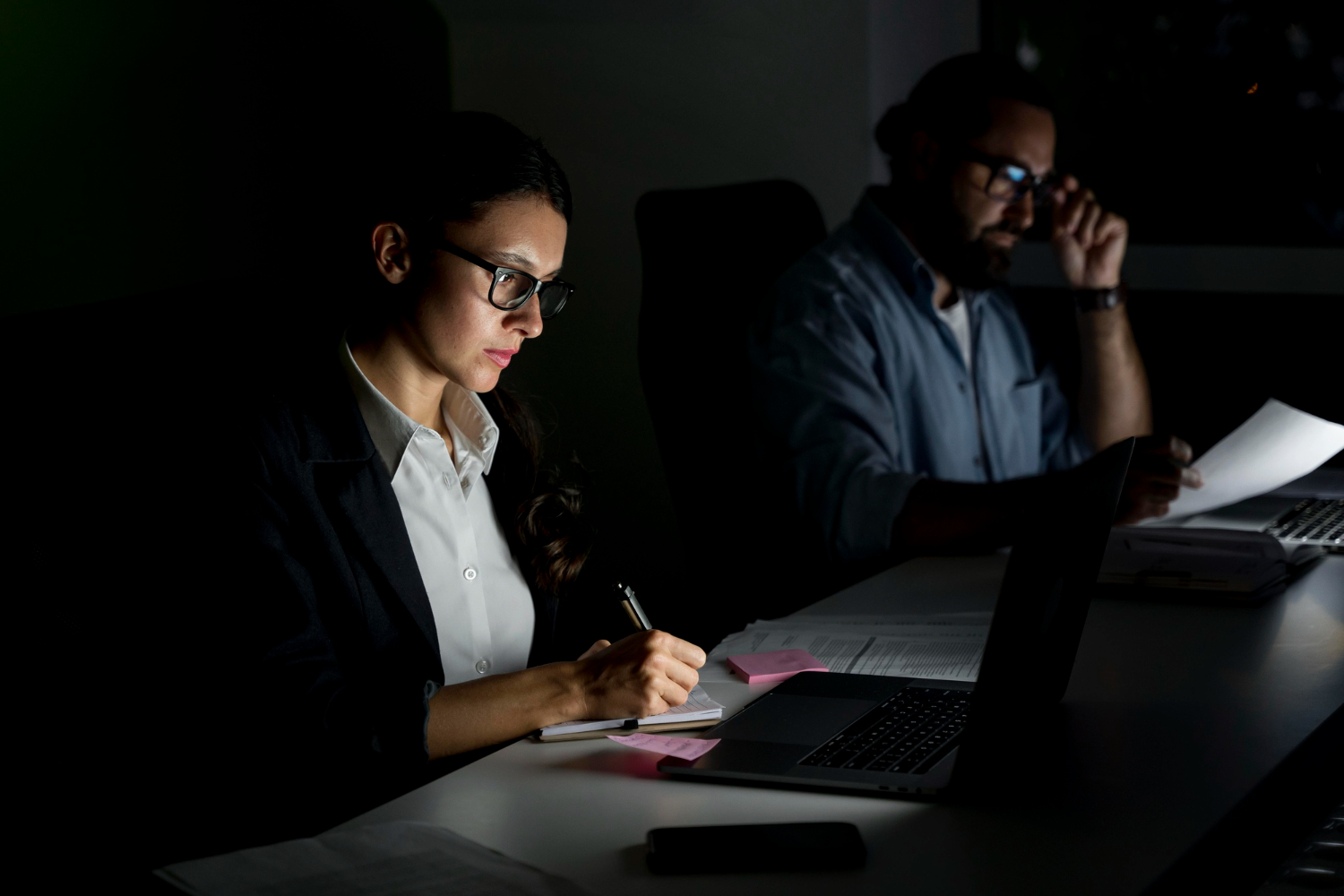
Imagine either early in the morning or late at night. The room is dark, your screen glows in the darkness, and the surroundings seem quiet. Whether you are a writer, designer, or artist, you might flourish in these low-key settings as a creative professional. But just why? Is this preference based on scientific or psychological grounds, or is it merely a quirk of imaginative brains? Let us investigate.
The Science of Dark Setting and Focus
Studies indicate that our brain’s information processing and thought generation depend on dim brightness. Research in the Journal of Environmental Psychology suggests that reduced lighting levels can boost cognitive flexibility, facilitating creative thinking. On the other hand, bright surroundings are sometimes linked with analytical and ordered thinking, which may not always be perfect for artistic activities.
Working in the dark lessens visual distractions, allowing the brain to concentrate more closely on current tasks. This can cause a condition known as “flow,” in which creative professionals get engrossed in their jobs with few interruptions.
Dark Lighting and the Subconscious Mind
Furthermore, low brightness fosters psychological freedom. People frequently feel less self-conscious in darkness, which helps reduce obstructions and inspires more unique thoughts. Some people seem more at ease sharing their ideas in a quiet, private environment than under intense, fluorescent office lighting.
Moreover, the atmosphere of a low-light workspace affects emotions and mood. Warm, low lighting can assist creatives in controlling their stress by encouraging peace and relaxation. Many musicians, writers, and artists choose to work at night. Not only for the silence but also for the mood the darkness creates.
Does This Work for Everyone?
Although many artists swear by working in the dark, this is not a one-size-fits-all solution. Some people discover poor brightness causes them to become lazy or drowsy. Others would find eye strain from staring at a brilliant screen in a dark room difficult.
The secret is balance. Try several lighting setups to see which improves your well-being and output. Combining natural light throughout the day with low lighting in the evening may help you maximize your creative process.
Lights off or on? The Choice Is Yours
The joy of working in the dark among creatives is real, regardless of scientific backing or personal inclination. You are not alone if you find the most inspiration in shadows and the faint glow of your screen.